DFA 只有有限状态。NFA 允许同时保留多个状态。PDA 在有限状态之外加了一只栈,可以处理任意深度的嵌套。图灵机再往前走一步:它把栈换成一条可以读、写、左右移动的纸带。
这个变化很小,却足以把机器能力推到通用计算。图灵机仍然只有有限个控制状态,每一步仍然按规则机械执行;不同的是,机器可以在纸带上写下中间结果,之后再移动回来读取。程序状态和可变存储被明确分开。
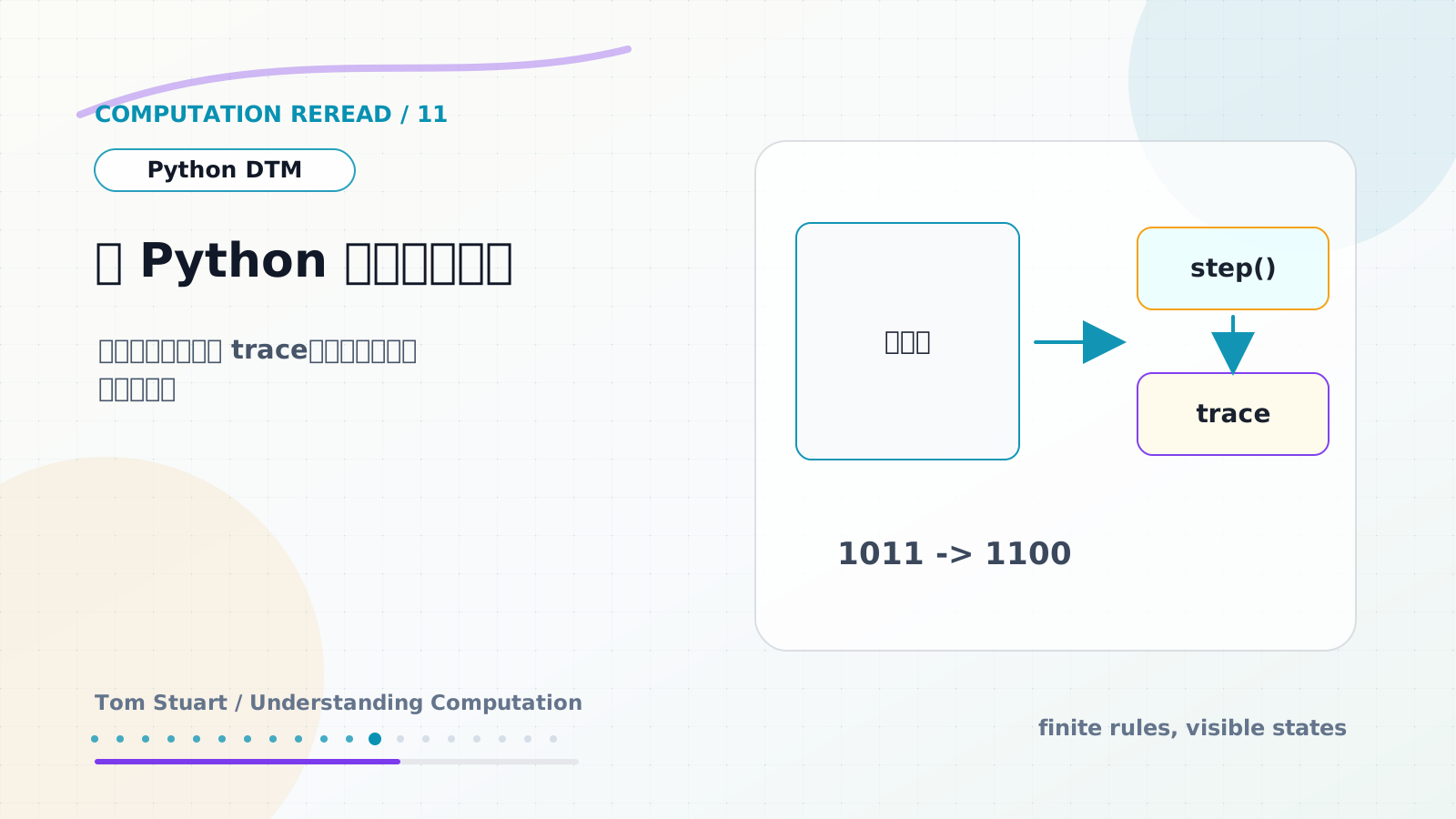
本文先写一台最小确定性图灵机(Deterministic Turing Machine,DTM)。示例很小:读写头从第一个字符开始,把当前位置的符号改成 1,向右移动一格,然后停机。下一篇再用同一套结构实现一个稍微有算法味的纸带程序。
图灵机比 PDA 多了什么
PDA 的栈只能操作一端。读写都发生在栈顶,历史只能以后进先出的方式取回。图灵机的纸带更自由:读写头可以向左或向右移动,机器可以反复回到某个位置修改内容。
| 模型 |
有限控制 |
可增长存储 |
读写位置 |
典型能力 |
| DFA / NFA |
有 |
无 |
无 |
正则语言 |
| PDA |
有 |
栈 |
栈顶 |
嵌套结构 |
| 图灵机 |
有 |
纸带 |
当前格,可左右移动 |
通用计算 |
这个表里最关键的是“读写位置”。栈的访问方式受限,纸带的访问方式更接近内存。虽然纸带一次只能读写一个格子,但通过移动读写头,机器可以在任意位置保存和恢复信息。
模式提炼:控制状态和可变存储分离
control_state + mutable_storage -> computation
图灵机把计算拆成两部分:有限控制状态决定下一步规则,可变存储保存中间结果。这个拆法在工程里很常见。
| 场景 |
控制状态 |
可变存储 |
| 图灵机 |
当前状态 |
纸带 |
| 虚拟机 |
指令指针 / 执行状态 |
堆、栈、寄存器 |
| 解释器 |
AST 节点 / continuation |
环境、输出、堆 |
| 工作流引擎 |
当前节点 |
流程上下文 |
听到“状态机需要写下东西,后面还要回来读”时,就已经离开纯有限自动机,进入“有限控制 + 可变存储”的模型。
纸带的最小表示
纸带可以看成三段:读写头左边、当前格、读写头右边。空白格用 _ 表示。
1
2
| left middle right
[0] 01
|
Python 里可以用 tuple 表示左右两侧。左侧 tuple 按从远到近排列,右侧 tuple 按从近到远排列。
1
2
3
4
5
6
7
8
9
10
11
12
13
14
15
16
17
18
19
20
21
22
23
24
25
26
27
28
29
30
31
32
33
34
35
36
37
38
39
40
41
42
| from dataclasses import dataclass
State = str
TapeSymbol = str
Direction = str
@dataclass(frozen=True)
class Tape:
left: tuple[TapeSymbol, ...]
middle: TapeSymbol
right: tuple[TapeSymbol, ...]
blank: TapeSymbol
def write(self, character: TapeSymbol) -> "Tape":
return Tape(self.left, character, self.right, self.blank)
def move_head_left(self) -> "Tape":
if self.left:
return Tape(
self.left[:-1],
self.left[-1],
(self.middle,) + self.right,
self.blank,
)
return Tape((), self.blank, (self.middle,) + self.right, self.blank)
def move_head_right(self) -> "Tape":
if self.right:
return Tape(
self.left + (self.middle,),
self.right[0],
self.right[1:],
self.blank,
)
return Tape(self.left + (self.middle,), self.blank, (), self.blank)
def __str__(self) -> str:
return "".join(self.left) + f"[{self.middle}]" + "".join(self.right)
|
write 只改当前格。move_head_left 和 move_head_right 会把当前格挪到另一侧,并把相邻格变成新的当前格。如果一侧已经没有内容,就读到空白符号 _。
模式提炼:焦点窗口
left_context + focus + right_context
纸带实现用的是焦点窗口模式:把当前位置单独拿出来,左右两侧作为上下文保存。编辑器光标、流式 parser、zipper 数据结构都可以用类似表示。
| 场景 |
left_context |
focus |
right_context |
| 图灵机纸带 |
读写头左侧 |
当前格 |
读写头右侧 |
| 文本编辑器 |
光标左侧文本 |
光标位置 |
光标右侧文本 |
| parser |
已读 token |
当前 token |
未读 token |
| 树 zipper |
父路径和左兄弟 |
当前节点 |
右兄弟和子树 |
焦点窗口的好处是当前位置操作很便宜,移动焦点时只需要重排局部上下文。
配置包含状态和纸带
图灵机的一次运行配置由当前状态和纸带组成。
1
2
3
4
| @dataclass(frozen=True)
class TMConfiguration:
state: State
tape: Tape
|
状态属于有限控制。纸带保存可变数据。规则只看当前状态和当前格符号,然后决定三件事:写什么,向哪边移动,进入哪个状态。
1
| state + tape_symbol -> next_state + write_symbol + direction
|
一条图灵机规则
TMRule 的字段正好对应上面的公式。
1
2
3
4
5
6
7
8
9
10
11
12
13
14
15
16
17
18
19
20
21
22
23
24
25
| @dataclass(frozen=True)
class TMRule:
state: State
character: TapeSymbol
next_state: State
write_character: TapeSymbol
direction: Direction
def applies_to(self, configuration: TMConfiguration) -> bool:
return (
self.state == configuration.state
and self.character == configuration.tape.middle
)
def follow(self, configuration: TMConfiguration) -> TMConfiguration:
written_tape = configuration.tape.write(self.write_character)
if self.direction == "left":
next_tape = written_tape.move_head_left()
elif self.direction == "right":
next_tape = written_tape.move_head_right()
else:
raise ValueError(f"unknown direction: {self.direction!r}")
return TMConfiguration(self.next_state, next_tape)
|
本文示例只需要一条核心规则:
1
| start + 0 -> halt + write 1 + move right
|
为了让初始符号是 1 或空白时也能演示同样动作,完整代码里会补两条类似规则。
DTM 规则表和运行循环
确定性图灵机要求同一个状态和同一个纸带符号最多命中一条规则。
1
2
3
4
5
6
7
8
9
10
11
12
13
14
15
16
17
18
19
20
21
22
| class DTMRulebook:
def __init__(self, rules: list[TMRule]) -> None:
self.rules = rules
def next_configuration(self, configuration: TMConfiguration) -> TMConfiguration:
rule = self.rule_for(configuration)
if rule is None:
raise ValueError(
f"no rule for state={configuration.state!r}, "
f"symbol={configuration.tape.middle!r}"
)
return rule.follow(configuration)
def rule_for(self, configuration: TMConfiguration) -> TMRule | None:
matches = [rule for rule in self.rules if rule.applies_to(configuration)]
if len(matches) > 1:
raise ValueError("DTM rulebook must be deterministic")
return matches[0] if matches else None
|
运行态机器只做两件事:如果还没有进入接受状态,就执行一步;重复这件事直到停机。
1
2
3
4
5
6
7
8
9
10
11
12
13
14
15
16
17
18
19
20
21
22
| class DTM:
def __init__(
self,
current_configuration: TMConfiguration,
accept_states: set[State],
rulebook: DTMRulebook,
) -> None:
self.current_configuration = current_configuration
self.accept_states = accept_states
self.rulebook = rulebook
def accepting(self) -> bool:
return self.current_configuration.state in self.accept_states
def step(self) -> None:
self.current_configuration = self.rulebook.next_configuration(
self.current_configuration
)
def run(self) -> None:
while not self.accepting():
self.step()
|
这个 run 暴露了图灵机的核心风险:如果规则永远不进入接受状态,它就会一直运行。停机问题会在后面单独讨论。
完整示例
完整代码如下。
1
2
3
4
5
6
7
8
9
10
11
12
13
14
15
16
17
18
19
20
21
22
23
24
25
26
27
28
29
30
31
32
33
34
35
36
37
38
39
40
41
42
43
44
45
46
47
48
49
50
51
52
53
54
55
56
57
58
59
60
61
62
63
64
65
66
67
68
69
70
71
72
73
74
75
76
77
78
79
80
81
82
83
84
85
86
87
88
89
90
91
92
93
94
95
96
97
98
99
100
101
102
103
104
105
106
107
108
109
110
111
112
113
114
115
116
117
118
119
120
121
122
123
124
125
126
127
128
129
130
131
132
133
134
135
136
137
138
139
140
| from dataclasses import dataclass
State = str
TapeSymbol = str
Direction = str
@dataclass(frozen=True)
class Tape:
left: tuple[TapeSymbol, ...]
middle: TapeSymbol
right: tuple[TapeSymbol, ...]
blank: TapeSymbol
def write(self, character: TapeSymbol) -> "Tape":
return Tape(self.left, character, self.right, self.blank)
def move_head_left(self) -> "Tape":
if self.left:
return Tape(
self.left[:-1],
self.left[-1],
(self.middle,) + self.right,
self.blank,
)
return Tape((), self.blank, (self.middle,) + self.right, self.blank)
def move_head_right(self) -> "Tape":
if self.right:
return Tape(
self.left + (self.middle,),
self.right[0],
self.right[1:],
self.blank,
)
return Tape(self.left + (self.middle,), self.blank, (), self.blank)
def __str__(self) -> str:
return "".join(self.left) + f"[{self.middle}]" + "".join(self.right)
@dataclass(frozen=True)
class TMConfiguration:
    state: State
    tape: Tape
@dataclass(frozen=True)
class TMRule:
    state: State
    character: TapeSymbol
    next_state: State
    write_character: TapeSymbol
    direction: Direction

    def applies_to(self, configuration: TMConfiguration) -> bool:
        return (
            self.state == configuration.state
            and self.character == configuration.tape.middle
        )

    def follow(self, configuration: TMConfiguration) -> TMConfiguration:
        written_tape = configuration.tape.write(self.write_character)

        if self.direction == "left":
            next_tape = written_tape.move_head_left()
        elif self.direction == "right":
            next_tape = written_tape.move_head_right()
        else:
            raise ValueError(f"unknown direction: {self.direction!r}")

        return TMConfiguration(self.next_state, next_tape)
class DTMRulebook:
    def __init__(self, rules: list[TMRule]) -> None:
        self.rules = rules

    def next_configuration(self, configuration: TMConfiguration) -> TMConfiguration:
        rule = self.rule_for(configuration)

        if rule is None:
            raise ValueError(
                f"no rule for state={configuration.state!r}, "
                f"symbol={configuration.tape.middle!r}"
            )

        return rule.follow(configuration)

    def rule_for(self, configuration: TMConfiguration) -> TMRule | None:
        matches = [rule for rule in self.rules if rule.applies_to(configuration)]

        if len(matches) > 1:
            raise ValueError("DTM rulebook must be deterministic")

        return matches[0] if matches else None
class DTM:
    def __init__(
        self,
        current_configuration: TMConfiguration,
        accept_states: set[State],
        rulebook: DTMRulebook,
    ) -> None:
        self.current_configuration = current_configuration
        self.accept_states = accept_states
        self.rulebook = rulebook

    def accepting(self) -> bool:
        return self.current_configuration.state in self.accept_states

    def step(self) -> None:
        self.current_configuration = self.rulebook.next_configuration(
            self.current_configuration
        )

    def run(self) -> None:
        while not self.accepting():
            self.step()
rulebook = DTMRulebook(
[
TMRule("start", "0", "halt", "1", "right"),
TMRule("start", "1", "halt", "1", "right"),
TMRule("start", "_", "halt", "1", "right"),
]
)
tape = Tape((), "0", ("0", "1"), "_")
configuration = TMConfiguration("start", tape)
machine = DTM(configuration, {"halt"}, rulebook)
print(machine.current_configuration.state, machine.current_configuration.tape)
machine.run()
print(machine.current_configuration.state, machine.current_configuration.tape)
|
运行结果:
初始纸带是 [0]01,读写头在第一个 0 上。机器把它写成 1,向右移动一格,然后进入 halt 状态。最终纸带显示为 1[0]1。
Java 程序员的迁移表
| Python 写法 |
Java 对照 |
作用 |
Tape |
可扩展数组 / 双端队列 / gap buffer |
可读写存储 |
TMConfiguration |
record Configuration(State, Tape) |
当前状态和存储 |
TMRule |
指令对象 |
读、写、移动、跳转 |
DTMRulebook |
指令表 / dispatch table |
根据状态和当前符号找规则 |
DTM.step() |
解释器的一步执行 |
执行一条指令 |
DTM.run() |
指令循环 |
持续执行直到停机 |
图灵机和虚拟机的距离比看起来更近。虚拟机也有当前执行位置、可变存储、指令表和循环执行过程。区别在于真实虚拟机有更丰富的指令、更高效的内存模型、更复杂的调用栈和异常机制。
从最小模型到通用计算
本文的机器只会改一个格子,不具备通用计算能力。通用性来自规则集和编码方式:只要纸带能表示程序和数据,规则能解释这些编码,机器就可以模拟其他计算过程。
这个观点会在后面继续展开。下一篇先不直接谈通用机,而是用同一套 Python 结构写一个更像程序的图灵机:在纸带上移动、寻找位置、改写符号,展示“读写头 + 可变纸带”怎样形成指令循环。
练习
第一,把示例改成“把第一个 1 改成 0,再向右移动”。
第二,把接受状态从 halt 改成 done,观察需要修改哪些规则。
第三,增加一条规则,让机器在读到 0 时向右移动但不停止,直到读到空白 _ 才写入 1 并停机。
第四,给 DTM.run() 增加最大步数限制,避免规则写错时无限循环。
系列导航
参考资料